
Accessible Guide to British Winter
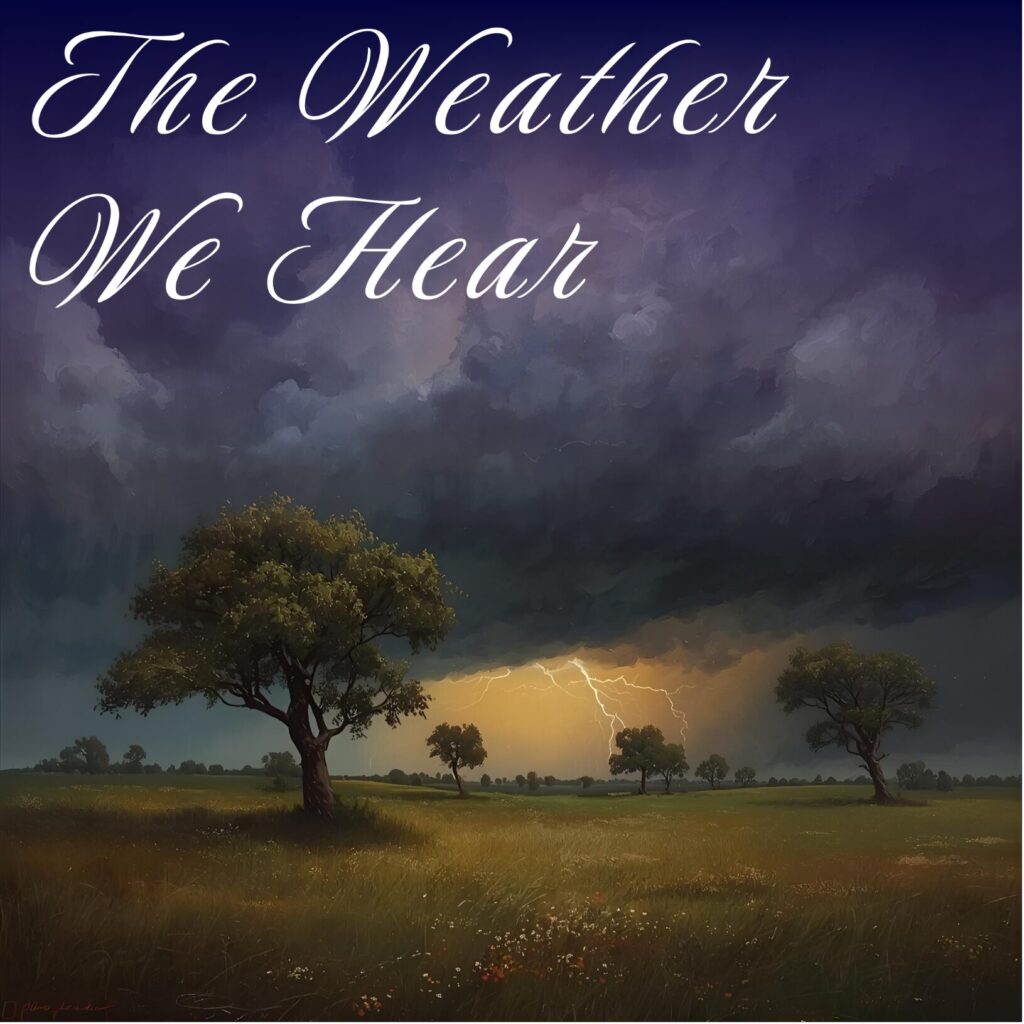
If you’re British, you probably have a relationship with the weather. For most people, winter starts when they see their breath cloud in the air. For blind and partially sighted people, it begins a little differently — you hear it— the textures of British winter.
You hear the rain before you feel it, a fizz of drizzle on your coat that sounds exactly like frying bacon. You can tell it’s cold because the buses get quieter; fewer conversations at bus stops, more sniffs, more hoods pulled up. The world folds in on itself — not darker, just softer.
The first real sign of winter isn’t snow or sleet — it’s that crisp, metallic echo when you walk past a car park and every sound bounces sharper. The air changes shape. Even your voice sounds different.
Mapping Winter Without Sight
Sighted people talk about missing the sun. Many blind people talk about missing texture — the warmth of a chair by the window, the sound of a kettle while the rain starts hammering the glass. That’s winter’s soundtrack: radiators ticking, traffic slowing, someone scraping their shoes in the hall.
And there’s something oddly comforting about that. When the weather turns, you don’t need a forecast — your ears will tell you. So as we head into the colder months, don’t rush to see the frost. Step outside and listen to it.
Because if you really pay attention, winter sounds like a thousand tiny clues — and for once, you don’t need perfect sight to spot them.
Resources
Have a look at this article by the RNIB for more information on how to stay safe and warm this Winter:
Looking for a winter activity? Join RealSAM BookClub to connect with a community of blind and low vision readers who ‘get’ how you read. Check out BookClub here.